[Summer School] Burden of infectious diseases
Date & Place
Ghent, Belgium
Register on the waiting list for the 2027 edition
About the summer school
The Burden of Infectious Diseases summer school is designed to equip professionals, researchers, and students in public health and related fields with practical knowledge on calculating Disability-Adjusted Life Years (DALYs) specifically for infectious diseases.
Learning objectives
- Understand DALY Components in Infectious Diseases: Gain insights into the two primary components of DALYs—Years of Life Lost (YLL) and Years Lived with Disability (YLD)—and their application in the context of infectious diseases.
- Explore Data Requirements and Disease Models: Understand the specific data requirements and disease models essential for calculating DALYs for infectious diseases.
- Apply Theoretical Concepts Practically: Engage in hands-on exercises to apply theoretical concepts to real-world scenarios, enhancing practical skills in burden of disease estimation for infectious diseases.
Structure
The summer school is organized into three modules, each combining theoretical lectures with practical sessions:
- Module 1 – Introduction to DALYs and YLLs
- Content: Introduce the basic concept of burden of disease and DALYs in the context of infectious diseases.
- Activities: Theoretical lectures followed by practical exercises supervised by experienced burden of disease researchers.
- Module 2 – Data Requirements and Disease Models
- Content: Focus on the specificities of calculating YLDs and YLLs for infectious diseases, including data requirements.
- Activities: Theoretical discussions complemented by practical exercises on establishing disease models for infectious diseases.
- Module 3 – Knowledge Translation and Reporting
- Content: Address practical issues related to knowledge translation, uncertainties, and reporting in the context of infectious diseases.
- Activities: Interactive sessions focusing on communicating findings effectively to stakeholders.
Exercises will provide opportunities for hands-on practice supervised by experienced burden of disease researchers. Throughout the three modules, participants will work on a project related to a specific infectious disease, and will address data collection, calculation, and knowledge translation.
Program
| Time (CET) | Module 1 | Module 2 | Module 3 |
|---|---|---|---|
| 9h00 | Welcome & introductions | ||
| 9h30 | Welcome & wrapup of previous session | Welcome & wrapup of previous session | |
| 10h00 | Introduction to DALYs for infectious diseases | Data requirements and disease models | Knowledge translation, uncertainties and reporting |
| 11h00 | Exercise | ||
| 12h00 | Q&A | Q&A | Q&A |
| 12h30 | Lunch break | Lunch break | Lunch break |
| 13h30 | Calculating Years of Life Lost |
Exercise | Exercise: burden of infectious disease project |
| 14h30 | Exercise | ||
| 16h00 | Q&A | Q&A | Q&A |
| 16h30 | Closure of module 1 | Closure of module 2 | Closure of module 3 |
Trainers
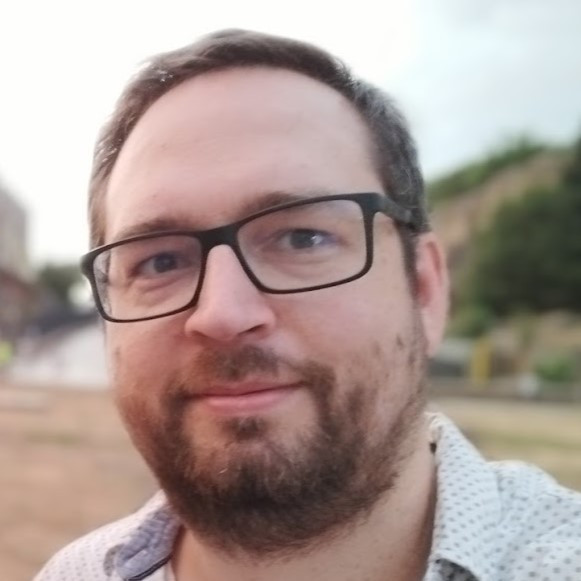
Brecht Devleesschauwer, Sciensano, Belgium
Dr. Brecht Devleesschauwer is a senior epidemiologist at Sciensano (the Belgian institute for health) and visiting professor in Risk Analysis at Ghent University. He conducts policy-driven public health research in the domain of composite measures of population health and health inequalities. As a member of the World Health Organization Foodborne Disease Burden Epidemiology Reference Group (WHO/FERG), he contributed to the estimation of the global burden of foodborne disease. Currently, he is coordinating the Belgian National Burden of Disease Study, and chairing the European Burden of Disease Network (COST Action CA18218). Brecht holds PhD degrees in Public Health and Veterinary Sciences, and MSc degrees in Biostatistics and Veterinary Medicine.
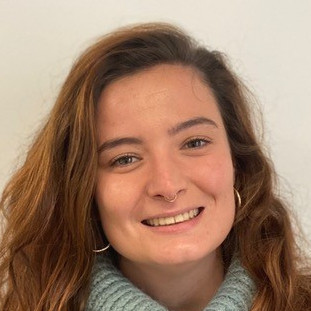
Carlotta Di Bari, Sciensano, Belgium
Carlotta di Bari is a scientist at Sciensano and doing a PhD in the Department of Translational Physiology, Infectiology, and Public Health at Ghent University. She is a member of the Human Health team within the Global Burden of Animal Diseases project, where the team investigates the societal impact of animal diseases. She is actively contributing to the WHO Foodborne Disease Burden Epidemiology Reference Group, providing support to the Computational task force, overseeing commissioned works and systematic reviews. Her research focuses on strengthening the evidence base surrounding the global burden of neglected zoonotic diseases.
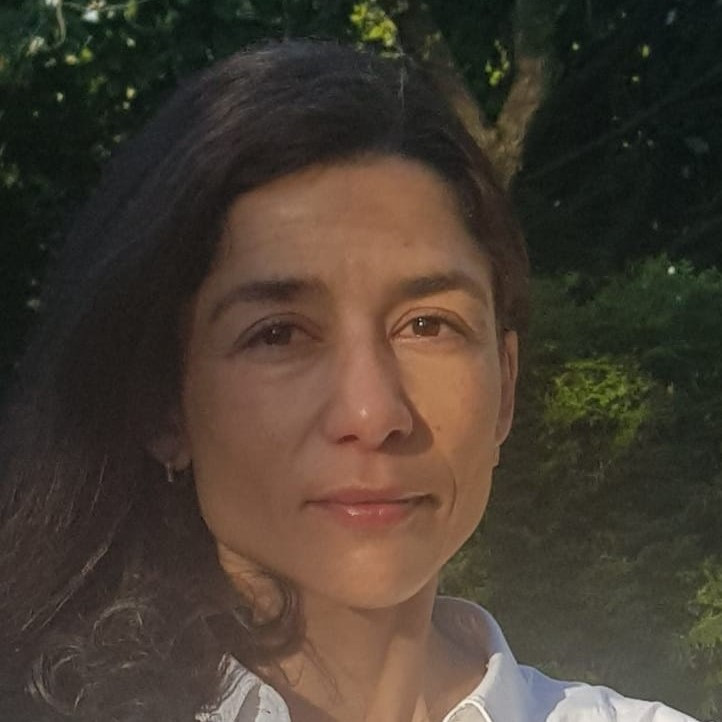
Sara Monteiro Pires, National Food Institute, Denmark
Dr. Sara Pires is a senior scientist at the National Food Institute, Technical University of Denmark. Her main areas of research are the burden and control of foodborne diseases. She has developed and applied methods to assess the burden of food-associated diseases at national and international level, and to provide evidence to guide public health policy for disease prevention. She is the chair of the Working Group on Infectious Diseases of the European Burden of Disease Network.
How to participate
Eligibility and prerequisites
The summer school is open to everyone with a basic understanding of epidemiology.
Teaching will be in English. Exercises will require a basic proficiency in MS Excel.
Waiting list
More information
For more information on the Summer School, please contact us via .
Past editions
The Burden of Infectious Diseases summer school has been organised on an annual basis since 2024. Previous editions of the school were organised as Training Schools within the context of COST Action CA18218.